Hi readers! This is my second blog post about the novel “I Know Why the Caged Bird Sings” by Maya Angelou, I highly suggest you read the first blog post first before reading this one. Thank you!
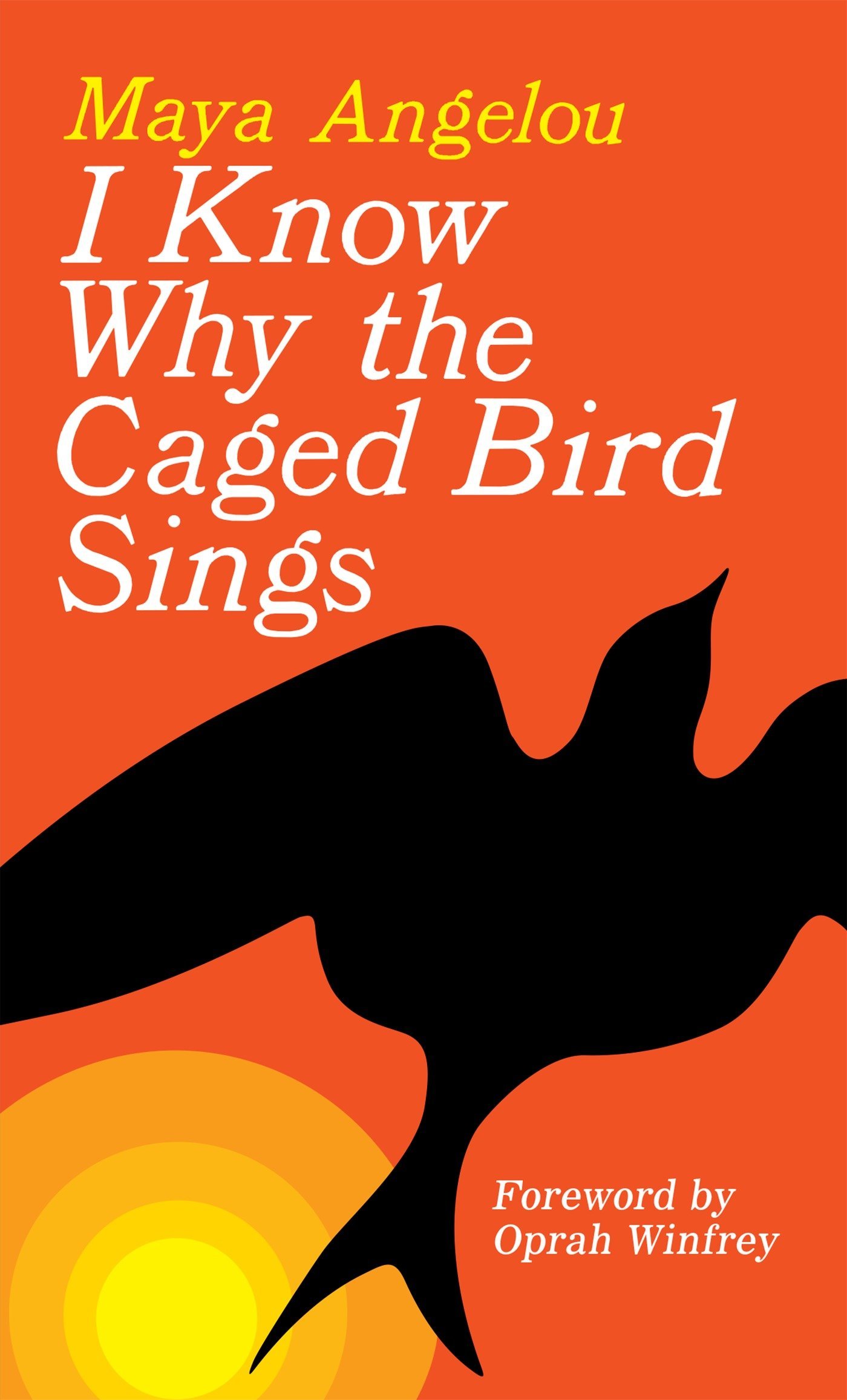
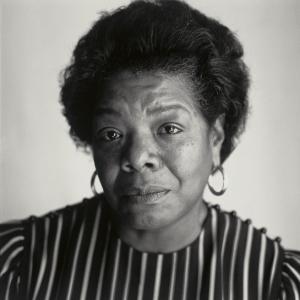
After finishing the book, “I Know Why the Caged Bird Sings” by Maya Angelou , it is clear that Archetypal literary theory can be applied and analyzed through this autobiography. Archetypes are significant throughout the novel with characters and symbols.
The Great Mother and Mentor
The “Great Mother” and the “Mentor” of this autobiography is Annie Henderson or Momma. She plays the maternal figure of her grand kids, who holds motherly characteristics of wisdom, love, loyalty. Momma in the book mentions, “I saw only her power and strength.”, she is strict and is very religious (Angelou 46). Momma raises her grand kids, Maya and Bailey, this way because she loves and wants both of them to grow up to be their best version of themselves. Momma’s mentorship towards Maya has helped her deal with racism at such a young age that prepared her later in life.
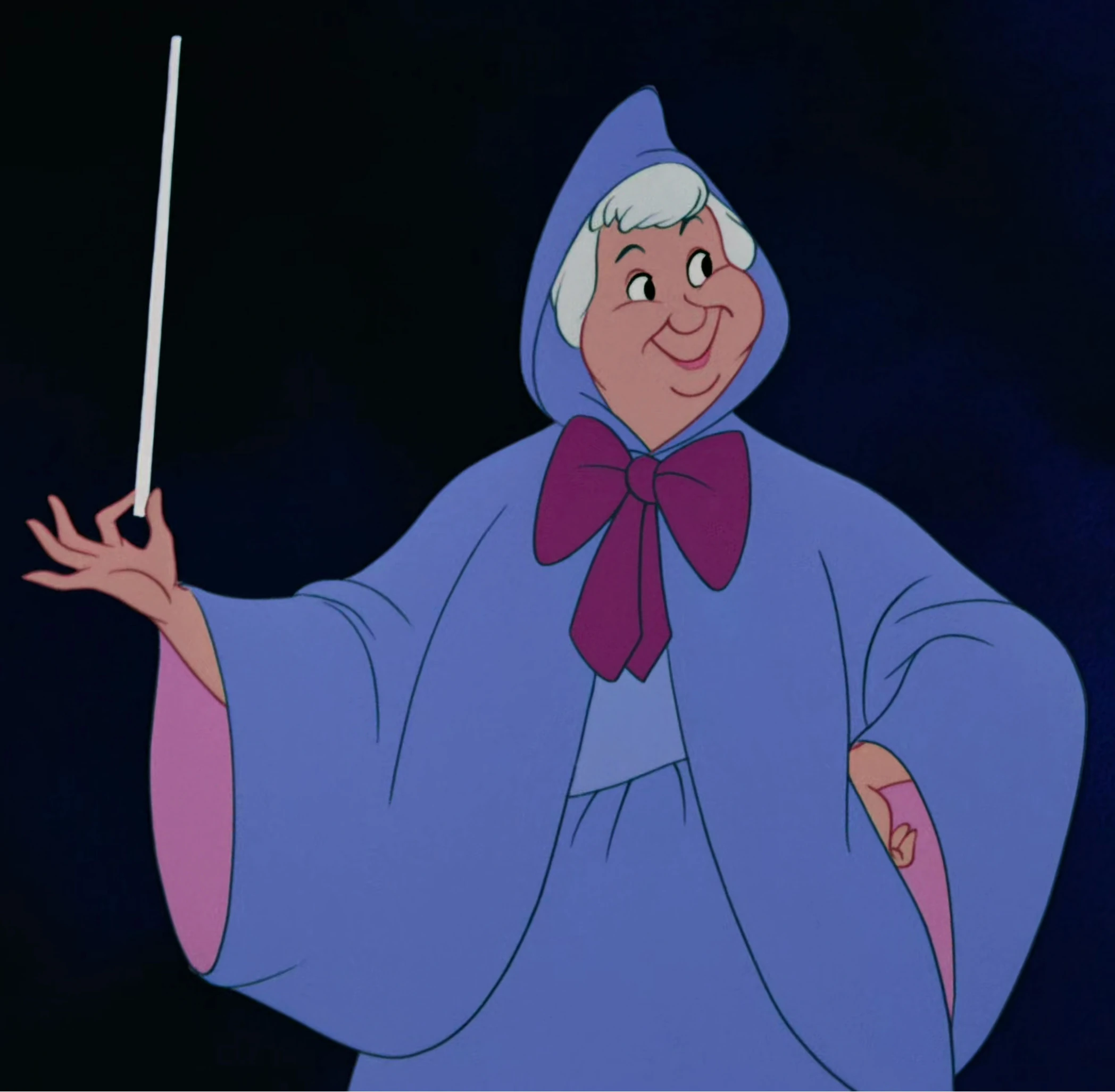
Momma’s character is similar to other archetypal characters such as the Fairy Godmother from “Cinderella”. The character plays the role of the “Great Mother” and the “Mentor”. Both Momma and the Fairy Godmother have similar intentions of raising their kids as best as possible guiding them through any obstacles.
The Villain

In this novel, a villain character is portrayed by Mr. Freeman. He is the boyfriend of Maya and Bailey’s mother, Vivian. Maya and Bailey moved to St. Louis to be with their mother. One night when Vivian wasn’t home, Mr. Freeman had raped Maya when she was just 8 years old, “I could feel the evilness flowing through my body…”, it was the worst nightmare for Maya (Angelou 86). Maya felt so overwhelmed and angry, to a point where she took a vow of silence, muting herself for nearly 5 years.

Mr. Freeman’s character is similar to another archetypal villain figure which is Bob Ewell from “To Kill a Mockingbird”. Mayella Ewell was raped and framed it on an innocent man, Tom Robinson. Later on, the truth was told and that Mayella’s father, Bob Ewell raped her. This left Mayella feeling hopeless, ashamed, angry just like Maya.
The color, black

The autobiography is set in the Era of Jim Crow
Laws, where there were extreme segregation and racial discrimination towards people of color. Maya says, “It was awful to be Negro and have no control over my life. It was brutal to be young and already trained to sit quietly and listen to charges brought against my color with no chance of defense.”, it is evident that during this time black people or people of color are described as being dirty and were treated like garbage by the white people. Overall, throughout the book, the color black symbolizes extreme segregation and racial discrimination.
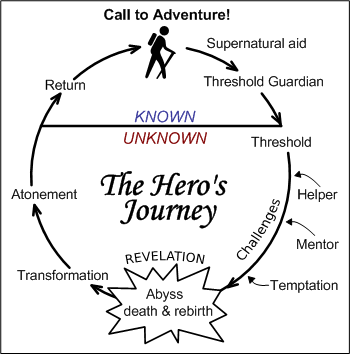
The concept of Hero’s Journey is well connected to this story. It begins with a “call of adventure”, when Maya and her brother, Bailey, was being abandoned by their divorced parents, leaving them to live with Momma in Stamps, Arkansas. In Stamps, Maya deals with challenging obstacles of racism, however, she survives with the help of a “mentor”, Momma. Later on, the siblings depart Stamps to St. Louis and face harder obstacles with their new family, trying to fit into a new environment. Maya faces an “abyss of death” after getting raped by Mr. Freeman. Further, in the story, Maya’s “transforms” into a new and improved individual, where she overcomes racism and trauma. Finally, Maya and Bailey “returns” back to Stamps to Momma’s house.
Final Thoughts
I really love this book, and I cannot stress it enough how great this book is. It changed my outlook on life, really appreciating my family and friends around me. If you have been wondering what book to read next, please read “I Know Why the Caged Bird Sings” by Maya Angelou.
Works Cited
Angelou, Maya. “I Know Why the Caged Bird Sings”. New York: Random House Trade Paperbacks, 2009. Print.
“12 Character Archetypes Every Writer Should Already Know.” Reedsy, 10 May 2019, blog.reedsy.com/12-common-character-archetypes-every-writer-should-already-know/.
“Color Archetypes.” STUDYBLUE, http://www.studyblue.com/notes/note/n/color-archetypes/deck/7307763.
“I Know Why the Caged Bird Sings by Maya Angelou.” Goodreads, Goodreads, 1 Nov. 1993, http://www.goodreads.com/book/show/13214.I_Know_Why_the_Caged_Bird_Sings.
“Maya Angelou.” Biography.com, A&E Networks Television, 10 July 2019, http://www.biography.com/writer/maya-angelou.
“The Hero’s Journey.” TV Tropes, tvtropes.org/pmwiki/pmwiki.php/Main/TheHerosJourney.Urofsky, Melvin I.
“Jim Crow Law.” Encyclopædia Britannica, Encyclopædia Britannica, Inc., 20 Aug. 2018, http://www.britannica.com/event/Jim-Crow-law.



 RJ's English Blog